Showing posts with label Cat Food. Show all posts

Is Your Cat Chasing His Tail? Should You Ever Worry About It?

I've seen a lot of dogs chasing their tail, so I was caught off guard when I saw a cat chasing its tail. My friend's cat, Jax, started chasing his own tail, and I wondered if Jax was copying the behavior of my friend's Golden Retriever.

Later, I found out that Jax was not a copycat. Unfortunately, he had a tail infection. So, is it a problem when you see a cat chasing its tail? What do you do when a cat is chasing its tail? Well, let's find out.
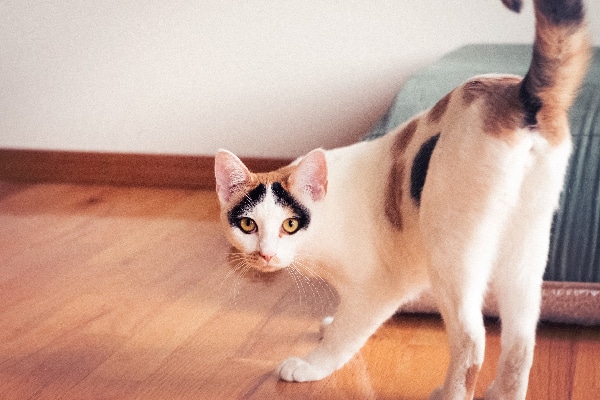
cat chasing tail
                   source:freepik

First of all, is it normal to see a cat chasing its tail?

Some cats, like dogs, chase their tail just for fun. "Some cats chase their tails just for fun, but this is less common in cats than in dogs," says Dr. Sasha Gibbons of the Just Cats Veterinary Hospital in Stamford, Connecticut.

But sometimes a cat chasing its tail means a little more in the language of the cat tail. And, unfortunately, there are times when a cat chasing its tail signals the opposite of fun.

"Cats may also chase their tail for a number of medical reasons," explains Dr. Gibbons. "Cats chase their tail if they have an infection and if the tail is uncomfortable, or if it itches due to allergies. Cats can also suffer from a condition called hyperesthesia syndrome, which is caused by hyperactivity of nerve endings, and cats feel a tingling sensation on their tails.

Another problem that could be at play and that requires the attention of the veterinarian is the stallion's tail, which is a condition of the cat's skin.

It is important to know the normal language of your cat's body and tail to ensure that your cat is not behaving abnormally for a medical reason.
What happens if a cat runs after its tail and bites it at the same time?

Make sure you have a plan of action if you notice a cat running after its tail and biting it! "Cat tails can become infected very easily and it can be difficult to resolve a tail infection. Any injury to the tail (self-inflicted) or from another cat should therefore be evaluated by a veterinarian," explains Dr. Gibbons.
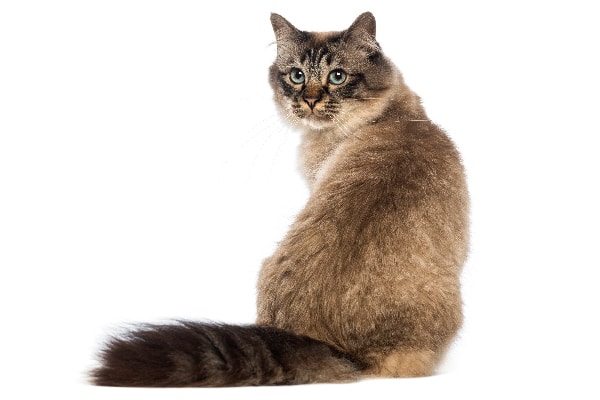
cat chasing tail
                       Source:freepik
How to prevent a cat from chasing its tail?

If your cat is chasing its tail and you suspect an infection, hyperesthesia, stud tail or any other injury, take your cat to the veterinarian as soon as possible.

But, should you ever worry about a cat chasing its tail in a playful manner?

"If a cat is simply chasing its tail, without biting or damaging it, it may be out of boredom," explains Dr. Gibbons. "If an owner sees his cat doing this, he may try to redirect the cat to chase a toy on a rope or a laser pointer".

If you are concerned that your cat may be bored because you are away from home for long periods of time, Dr. Gibbons suggests using interactive toys such as Frolicat or Panic Mouse. This will help your cat focus more on the toys and less on playing with its tail.

What about cats tapping the tails of their feline siblings?

Sometimes a cat chasing its own tail is not the problem - it's a cat chasing another cat's tail! It is important to recognize a cat's body language when this happens. "Attacking another cat's tail can be playful or aggressive," says Dr. Gibbons. "It all depends on the body language of the attacker during the act - and the extent of the damage done to the victim."

Separate cats that are aggressive toward each other. Even if your cat is chasing or hitting another cat's tail in a playful manner, redirect the cats' attention to interactive toys.

The bottom line of a cat chasing its tail

Remember that a cat chasing its tail is not always playful or fun. Consult a veterinarian whenever your cat damages her tail or you suspect she is chasing it out of discomfort. If the problem appears to be behavioral, not medical, look for a veterinary behaviorist in your area by consulting the American College of Veterinary Behaviorists (ACVB). These experts will assess your cat's specific situation and help you decide how to proceed.
Is Vegan Cat Food Okay?

Given the fact that cats are obligate carnivores, creatures that feed primarily or exclusively on animal matter for their health and well-being, is becoming a vegetarian a good idea? Is vegan cat food okay?
Is vegan cat food okay? A vet weighs iAs cats are obligate carnivores, creatures that feed primarily or exclusively on animal matter for their health and well-being, is becoming a vegetarian a good idea? Are vegan cat foods acceptable?
Is vegan cat food acceptable? A veterinarian weighs the pros and cons.

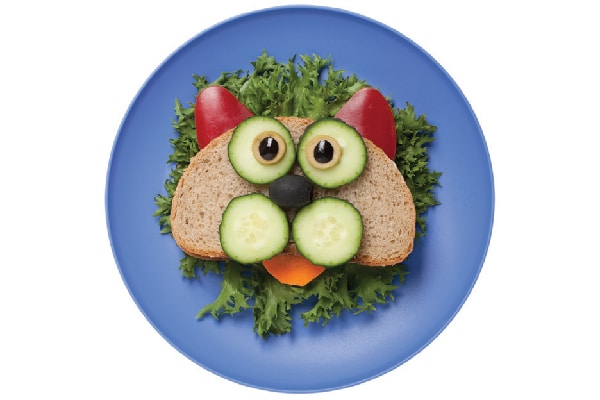
A cat vegetable sandwich.

The risks of vegan cat food

The risks of a vegetarian or vegan diet for cats include insufficient total protein intake, an imbalance of amino acids such as taurine or essential fatty acids such as arachidonic acid, and a deficiency of vitamins and minerals that are obtained ideally, or solely, from meat or other animal products.
Health Risks of Vegan and Vegetarian Cat Foods

These dietary problems can lead to serious and sometimes irreversible pathologies, according to Jennifer Larsen, DVM, M.D., M.D., a certified veterinary nutritionist and professor of clinical nutrition at the University of California at Davis Veterinary School. The problem most often mentioned by veterinarians is taurine related dilated cardiomyopathy (an enlarged heart with weak contractions and low pumping capacity), but low taurine levels can also lead to reproductive failure, growth retardation and eye problems, she adds.

"We saw a case of a cat that almost died from taurine deficiency," says Dr. Larsen. "The owners were feeding their cat vegan kibble, a commercially available vegan diet, and they were mixing it with cooked chicken breast for some reason, but there wasn't enough taurine for the cat, obviously, and that resulted in a near-death experience for the animal.

Vignette: Photograph ©Gabriele Grassl | Getty Images.

Cats Are Obligate Carnivores — What That Means & Why It Matters

Next time you catch your cat napping in the afternoon sun, think of the tiger. Think lion. You wouldn't think a lion or tiger would eat a plant-based diet, would you? Of course you wouldn't! Big cats are obligate carnivores, which means that eating meat is absolutely essential to their biological survival.

Your little tiger is not much different. Domestic cats are true obligate carnivores who must eat meat in order for their bodies to receive certain compounds that are vital to their long-term health and well-being.

Cats need more protein than either humans or dogs, according to Deborah E. Linder, DVM, MS, Certified Veterinary Nutritionist, Director of the Animal Obesity Clinic at the Cummings School of Veterinary Medicine at Tufts University. Kittens need more protein than most other animals, and adult cats need two to three times more protein than dogs, she adds.

Vegetarian or vegan diets don't provide the amino acids needed for good feline health and are too rich in carbohydrates that cats can't assimilate, according to Marla McGeorge, JD, DVM, a feline consultant in Portland, Oregon.

(Is being vegan healthy for YOU? Come find out >>)

Obligate carnivores — what exactly does that mean?


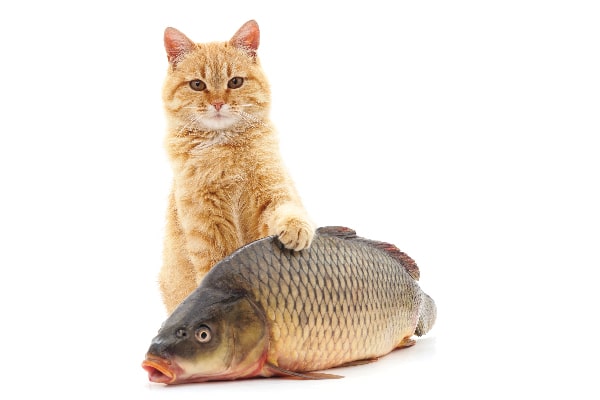
A ginger tabby cat with a fish.

Before going any further, let's clarify what exactly are the obligatory carnivores :

Compulsory (adjective): ob-li-gate - biologically essential for survival - limited to a particularly characteristic way of life
Carnivore (noun): car-ni-vore - an animal that feeds primarily or exclusively on animal matter.

Essential nutrients for cats

Taurine is a vital amino acid that cats cannot obtain from any other source than animal protein. Cats cannot make taurine from other amino acids like most mammals can," said Joe Bartges, DVM, PhD, DACVIM, DACVN, professor of internal medicine and nutrition at the University of Georgia College of Veterinary Medicine.

According to Dr. Linder, when cats are fed a diet too low in taurine, they can suffer from retinal degeneration, dilated cardiomyopathy and reproductive problems. While all cat foods should contain taurine, she says, the total amount in the diet is not the only important factor. Other ingredients in the diet can affect how taurine is broken down in the gut and its bioavailability to the cat, so it's important to feed a diet that has been carefully formulated and tested, she adds.

Cats also lack the enzyme needed to make their own arginine, another amino acid found in animal proteins, so more of it must be provided in their diet, according to Dr. Linder. Arginine is involved in the removal of ammonia from the body; if this function is impaired, cats can lose weight, vomit, suffer neurological problems and even die.

A diet rich in meat also provides vitamin A, a nutrient that cats are unable to convert from beta-carotene, as well as other key nutrients, including arachidonic acid and vitamin B12, which cannot be obtained in sufficient quantities from plant foods, according to Dr. Bartges. Without a regular supply of these nutrients, cats can suffer from liver and heart problems, not to mention skin irritation and hearing loss, he says.
Feline diets also require niacin and vitamin D3, according to Dr. Linder.

What protein is best for cats?


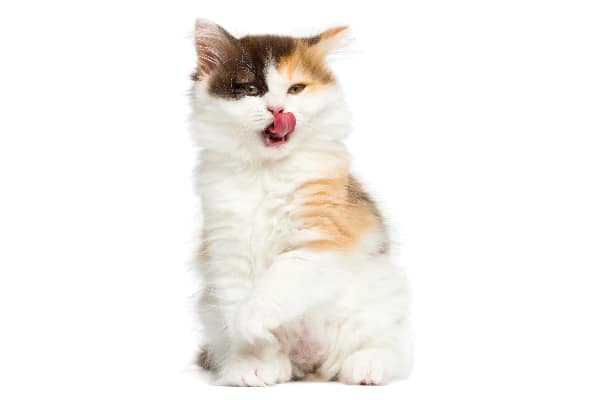
A calico cat licking her lips.

As for which animal protein is best for these obligate carnivores - beef, chicken or fish - there is no better type, according to Tony Buffington, DVM, PhD, DACVN, professor emeritus of veterinary clinical sciences at the Ohio State University College of Veterinary Medicine.

In fact, it doesn't matter whether a cat gets its protein from a dry or wet food, as long as it eats that food and meets its nutritional requirements," says Dr. Buffington. The key is to review the label. Labels on commercial cat foods must indicate that the product is formulated to meet the nutritional profiles of the Association of American Feed Control Officials and that it meets their guidelines for nutritionally complete, balanced and age-appropriate nutrition for your cat. Of course, if your cat has specific nutritional needs, always follow your veterinarian's recommendations," he adds.


Can Cats Eat Bread?

I never thought I'd find myself Googling "Can cats eat bread?", but I did it recently while shouting "Don't eat that!" to my sneaky kitten. During a recent series of product tests in my test kitchen, I discovered that my cat was trying to steal a slice of gluten-free bread. He jumped on the counter and started licking each slice of bread, carefully arranged for human consumption (well, at least it was intended for human consumption).

At first I thought it was the butter spread on the bread, but he was stealing slices of ordinary bread. He was trying to pick up a piece of bread by the crust and bring it back to the ground. I was shocked by this behavior because he had only managed to steal chicken nuggets from the counter before. So, do cats like bread? Is it a secret that they hide from us? Can cats even eat bread?

Can Cats Eat Bread and Other Breaded Products?


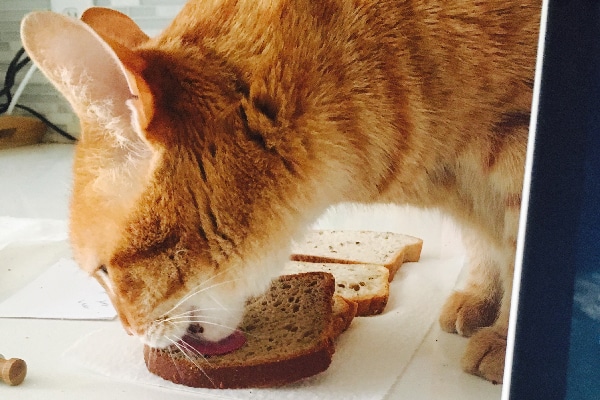
A cat licking bread.

When it comes to the question "Can cats eat bread? I'm not alone. My friends have told me about their carbohydrate loving cats. One of them told me about his cat who loved to steal the crust off pizzas to get to the inside of the dough. Another was in love with a particular brand of pancake mix - cooked dough and raw dough. My friends couldn't figure out if it was the filling on the bread (like butter, cheese or pepperoni) or the bread itself. They too wondered if cats could eat bread and if the bread was safe for them.
Can cats eat bread? Is it dangerous for cats?

Is bread safe for cats? Fortunately, bread is not so dangerous for cats. So, the answer to the question "Can cats eat bread?" is technically "yes" - but it's not really recommended. Cats don't need bread in their diet.

But can cats eat bread that is not baked?

Dr. Heather Loenser, senior veterinarian at the American Animal Hospital Association, warns about the dangers of eating raw or leavened bread dough. "The biggest danger for cats would be eating raw dough because the fermentation of yeast in the dough can cause the dough to expand in the cat's stomach," she warns. "This can cause severe abdominal pain and, theoretically, cause a perforation of the stomach."

Dr Loenser adds: "Because alcohol is a by-product of fermentation, alcohol poisoning is possible. The signs would be vomiting, diarrhoea, lethargy, difficulty walking or the impression of being drunk. Fortunately, few cats seem to be attracted to eating raw bread dough - it is much more of a problem with dogs".

Can cats eat bread with certain fillings or supplements?

When we ask ourselves "Can cats eat bread?", we also run into problems because of what is on or in the bread. We have already asked if cats can eat cheese, a common filling on bread. Can cats eat cheese? Yes, but only in moderation, because cats are lactose intolerant after the birth of their kittens.

But can cats eat bread with non-dairy fillings? "Other potential ingredients in bread that could be a problem are garlic and onions, which can cause damage to red blood cells and anemia," says Dr. Loenser. Even in small amounts, garlic can cause stomach upset, vomiting and diarrhea in cats. Consult a veterinarian if you think your cat has consumed garlic.

3. Can cats eat cabbage?

Can cats eat onions? What about raw onions compared to cooked onions? What should you keep in mind about cats and onions?

For us humans, onion is a tasty ingredient used both cooked and raw in many dishes. Onions may be delicious to us humans, but what about onions and cats? Can cats eat onions?

[caption id="attachment_69" align="aligncenter" width="300"] Wondering, “Can cats eat onions?” Let’s take a look. Photography © krblokhin | iStock / Getty Images Plus.[/caption]

The answer to the question "Can cats eat onions?" is pretty clear. Onions are extremely dangerous for cats, even in small amounts. If the cat does not consult a veterinarian immediately after eating onions, the ingestion of onions can even be fatal.

Dr. Jeff Werber, Emmy Award-winning veterinarian, explains that cats are very sensitive to onions and that it only takes a few onions to make them very sick. Onions are especially dangerous for cats because they can cause anemia, liver damage and even death.

Can cats eat onions in any quantity?
As mentioned above, even a small amount of onions can be dangerous for cats. Dr. Amy Mathiak of the Firehouse Animal Health Center states that she considers a cat eating any amount of onions to be an emergency that requires immediate veterinary intervention.

Can cats eat raw onions? Can cats eat cooked onions?
The next question you might ask yourself after "Can cats eat onions?" could be about raw onions versus cooked onions. "The most dangerous onions are raw onions, then dehydrated, then cooked," explains Dr. Werber, "but, again, all onions, in all their forms - raw and prepared - are dangerous to cats.

According to Dr. Mathiak, cats are generally not tempted to eat raw onions. Cats are generally exposed to onions from cooked and processed human food. She also warns that onions are a surprisingly common additive in processed foods. It is not advisable to share human food with your kitten unless you consult a veterinarian first, but if you decide to give your cat human food, make sure it does not contain onions.

What should you do if your cat eats onions?
Now that we've given some answers to the question "Can cats eat onions?", let's see what to do in the unfortunate event that your cat eats onions.

Since even a small amount of onions can make a cat extremely sick, do not share "human food" that may contain onions. Cats can be sneaky, which is why it is advisable to be very careful when cooking with onions or preparing food containing onions.

If you suspect that your cat has eaten onions, or something containing onions, Dr. Mathiak advises cat janitors to go to the vet immediately. Do not attempt to care for your cat at home. Dr. Werber says it is not safe to try to make him vomit. Dr. Mathiak echoes this concern by warning that the usual methods people use to try to make cats vomit are generally ineffective. Take your cat to your veterinarian or to a veterinary hospital for treatment as soon as possible.

Treatment for a cat that has eaten onions
When a cat that has ingested onions goes to a veterinarian, there are a few treatments available. If the cat has ingested onions in the last few hours, the veterinarian will probably try to make the cat vomit (again, do not attempt to do this yourself at home). The veterinarian will also perform blood and urine tests to determine the severity of the onion exposure.

"Depending on the symptoms and diagnosis, we will either attempt life-saving blood transfusions and oxygen therapy or provide supportive care for less severe gastrointestinal problems," explains Dr. Mathiak.

It is important that your cat be treated as quickly as possible, but the side effects of onion ingestion may take some time to manifest themselves. "The onset of severe symptoms, depending on the amount ingested, can be delayed for five to seven days," warns Dr. Mathiak. "The most important thing you can do if your cat eats onions is to consult a veterinarian for your cat.

Vignette: Photograph © velkol | iStock / Getty Images Plus.

About the author
Sassafras Lowrey is an award-winning author and certified sled dog instructor. Upcoming books include "Tricks IN THE CITY: For Daring Dogs and the Humans That Love Them", "Healing/Heeling" and "Bedtime Stories for Rescue Dogs: William To The Rescue". Sassafras lives and writes in Portland, Oregon, with three cats and three dogs. For more information, visit SassafrasLowrey.com.

What can cats eat? Find out at Catster.com

Can cats eat corned beef and cabbage?

Can you share traditional St. Patrick's Day foods such as corned beef and cabbage with your cats?


St. Patrick's Day is March 17. This means that people all over the world take to the streets and local public houses to celebrate Ireland's rich cultural heritage. Rivers are tinted green, festivities abound and everyone prepares or orders this traditional Irish meal of corned beef and cabbage. Frequently served with onions, potatoes and carrots, those who don't like alcoholic beverages will certainly enjoy this Emerald Island favourite.

Before you make a hem and eagle, you are right, corned beef and cabbage are not at all a common Irish staple, and never have been. A long time ago, bacon and cabbage may have been eaten semi-regularly by rural Irish, but only because cows were mostly used as dairy animals and pork was easier to find. In any case, at least in America, the preparation of corned beef and cabbage on St. Patrick's Day is certainly a tradition. The question is whether, wherever you are, you can share part of this feast with your cats.

[caption id="attachment_64" align="aligncenter" width="300"] Homemade Corned Beef and Cabbage with Potatoes and Carrots. Photography by Brent Hofacker / Shutterstock.[/caption]

1. Can cats eat bacon?
Let's start at the beginning, with the original bacon pairing. Regardless of its thickness, a typical piece of bacon is salted or treated with large amounts of salt, and often contains more than a small amount of fat. Since cats are proportionally smaller than humans, the fat content of bacon alone makes a standard piece of bacon bad for cats.

Too much fat can cause digestive problems in cats, and too much salt can lead to dehydration. If you think you need to share bacon with your cat and kitten friends, make sure it is a food specifically designed for cats; many are bacon-flavoured and have neither the sodium nor the fat content of the bacon people eat.

2. Can cats eat corned beef?
Corned beef has an even higher salt content than bacon. Some corned-beef recipes require the meat to be cured in rock salt, assorted spices and saltpetre for at least 10 days. During the curing process, sodium naturally seeps into every part of the meat. As with bacon, the salt content of corned beef can cause damage to a cat's kidneys if enough is ingested.

Because cats are proportionally much smaller than humans, it takes much less sodium to cause a toxic reaction. This applies to the corned beef you prepare at home or buy from the caterer. You have to be more careful with corned-beef in cans or tins, which will likely contain a host of other chemicals and preservatives that cats are better off with.

3. Can cats eat cabbage?

[caption id="attachment_65" align="aligncenter" width="300"] Can cats eat any human foods to celebrate St. Patrick’s Day. Photography by Viacheslav Zhukovskiy / Shutterstock.[/caption]

As Catster has already said several times, cats are obligatory carnivores. Most of their nutritional needs are met through the consumption and processing of meat-based proteins. We also know from looking at a standard bag or can of store-bought cat food that vegetable matter makes up at least part of what they eat, in a form they can easily digest.

That said, if they do eat some, a little cabbage every now and then is not a major hazard to your cats. Raw cabbage contains an anion known as thiocyanate, which can affect thyroid function, but it is very unlikely that cats will ever deign to eat enough raw cabbage to harm them. The worst you can expect from a cat eating cabbage is an increase in gas.

4. Can cats eat carrots?
Carrots are perfectly acceptable for cats. Some sources recommend cooking or boiling them before offering them to your cats, on the assumption that raw carrots may be too difficult for cats to digest. However, a cat's digestive system is not structured to process nutrients from plant matter or vegetables. Even if your cat eats pieces of cut or cooked carrots, there is virtually no nutritional benefit.

5. Can cats eat potatoes?
Raw or unripe potatoes are potentially toxic to cats. They are, like tomatoes and eggplants, members of the nightshade family. Their skin, as well as the vines on which they grow, contain a defense toxin called solanine, which can be toxic to cats. Cooked, boiled or mashed without any toppings or spices, a small portion of potato should not cause any real problems, digestive or otherwise, to a cat.

6. Can cats eat onions?
As far as cats are concerned, after the salt in bacon and corned beef, onions are by far the most dangerous component of corned beef and cabbage meal. Onions, garlic and other plants in the family damage a cat's red blood cells, limiting their ability to transport oxygen efficiently.

Happy St. Patrick's Day to you and your cats!

Even in isolation, the ingredients most frequently used in a St. Patrick's Day corned beef and cabbage feast offer no real benefit to your cats. As delicious as the meal may be for humans, when it is served to your family and friends, your cat is better off with its usual kibble or canned cat food. If your cat is determined to take part in the festivities, don't hesitate to add a few drops of food coloring to dye its bowl green!

Vignette: Photograph by Viacheslav Zhukovskiy / Shutterstock.

About the author :
Melvin Peña was trained as a scholar and teacher of 18th century British literature before putting his research and writing skills to work for puppies and kittens. He enjoys art, hiking and concerts, as well as dazzling crowds with opera karaoke performances. He has a 16 year old cat named Quacko, and his online life is

Can cats eat raw chicken?

Can cats eat raw chicken?
Can cats eat raw chicken? Can cats eat other types of chicken and chicken bones? Here we answer your most pressing questions about cats and chicken!


Eating raw meat is not a good idea for people because of the bacteria and parasites it may contain. Raw meat can make you very sick - but what about cats? Can cats eat raw chicken? The answer may surprise you.

Can cats eat raw chicken? The bottom line.

[caption id="attachment_55" align="aligncenter" width="300"]Here’s my cat licking bread … but is this okay? Can cats eat bread? Photography by Erica Dermer. Here’s my cat licking bread … but is this okay? Can cats eat bread? Photography by Erica Dermer.[/caption]


If people get sick from eating raw chicken, what makes humans think, "Can cats eat raw chicken? People could easily assume that they can feed their cats raw chicken, thinking that the ancestors of our cats survived very well by hunting and eating raw meat. So, the answer to "Can cats eat raw chicken?" should be an obvious yes, right?

According to Emmy Award-winning veterinarian Dr. Jeff Werber, domestic cats in our homes are not equipped to process meat in the same way as wild cats. "The intestinal tract of today's cats and dogs is not the same as that of their wild ancestors, who tore the animals apart and ate them raw," he says.

Can cats eat raw chicken? The risks.
The biggest risk for cats who eat raw chicken is that of parasites and intestinal infections. Raw chicken can bring "the potential for parasites such as salmonella, E. coli, listeria and campylobacter," explains Dr. Werber. He advises against feeding cats any kind of raw meat.

But can cats eat raw chicken as part of commercially available raw diets?
If you ask "Can cats eat raw chicken" and you think in terms of a raw food diet, the answer is a little different. Some veterinarians and cat janitors swear by raw diets. There are pros and cons to a raw food diet for cats.

Commercially available raw foods that contain raw chicken are different. These foods are usually made by quick freezing or high pressure pasteurization (HPP), which kills harmful bacteria found in raw foods.

"For those of you who have fed your cats a raw diet without any problems, it's perfect for your cat," advises Dr. Werber. "However, be cautious when encouraging other cats to ingest raw foods that have not been subjected to the bacteria-killing process".

Can cats eat raw chicken as part of a raw food prepared at home? A Homeopathic Veterinarian's Perspective
But what about cats that eat raw chicken as part of a raw food prepared at home? Can cats eat raw chicken this way?

"Raw chicken is a perfectly balanced protein that cats can eat," says Dr. Charles Loops, a homeopathic veterinarian. "It is suitable as the main protein in a cat's diet or as one of several different protein sources. Raw meat is the perfect food for carnivores and cats are carnivores".

What should cat owners keep in mind when buying raw chicken to use in their cat's raw food? "Organic chicken is always preferred but buying chicken, as fresh as possible, is the most important thing," advises Dr. Loops. "It is forbidden for all chicken farmers in the United States to use antibiotics or hormones in raising their chickens".

How can cats fed raw chicken avoid bacteria? "Chicken should always be handled minimally and carefully for the protection of humans," says Dr. Loops. "Cats are not as susceptible to Salmonella bacteria as we are and cats will generally not eat raw chicken if it is not fresh. Raw chicken should be discarded as soon as it has reached room temperature for more than a few minutes, so that the raw chicken cannot be left outside for the cat to return to later".

Dr. Loops offers a final word of caution to those who choose to feed raw chicken to their cats: "There is really no risk of cats eating raw chicken as long as the above precautions are followed," he says. "It's an excellent source of protein for felines.

How can we prevent cats from accidentally eating raw chicken?
As we all know, cats are sneaky. And unlike the chicken mentioned above, which has been carefully selected to be eaten raw, some raw chickens can be a problem. Know where your cat is when you prepare food, especially raw meat, such as raw chicken, to prevent your sly cat from running away with food from your counter or even from your stove.

What happens if a cat accidentally eats raw chicken?
On another note, you may have been looking for "Can cats eat raw chicken?" because your cat accidentally ingested raw chicken that you didn't buy as part of a raw diet.

If your cat accidentally eats raw chicken, Dr. Werber encourages cat janitors not to panic. "Keep an eye on your cat," he explains. "Monitor her behaviour and eating/eliminating activities. If you're concerned, contact your veterinarian". If your cat eats raw chicken, she may experience vomiting or diarrhea. Any type of intestinal disorder is a good time to contact a veterinarian.

Can cats eat raw chicken on the bone?
Another common question associated with "Can cats eat raw chicken?" is "Can cats eat chicken bones? Although some veterinarians do not recommend feeding cats raw chicken in any form, there is an additional hazard associated with chicken bones. Dr. Werber explains that chicken bones are "soft and easily breakable and have sharp edges that can cause internal injuries".

If your cat swallows chicken bones, don't try to make her vomit, as the bones can cause more damage when they come up. Dr. Werber advises giving your cat bread to try to coat the sharp edges as they pass through your cat's digestive tract and to contact your veterinarian immediately.

Can cats eat cooked chicken?
Most cats, unless they are sensitive to poultry, can eat cooked chicken. However, only serve your cat cooked chicken plain. Chicken should not be breaded, greasy or prepared with spices or seasonings, which can be dangerous or disrupt your cat's digestive system. Give your cat only small amounts of cooked chicken as a treat. Feeding large quantities of chicken to your cat will not provide a balanced diet and may cause digestive problems.

Vignette: Photograph © RealCreation | iStock / Getty Images Plus.

This article was originally published on March 14, 2019 and modified to include the opinion of a homeopathic veterinarian on March 25, 2019.

Can cats eat bread?

Can cats eat bread? The answer depends on the type of bread and the fillings it can contain. Let's take a closer look.


I didn't think I'd find myself Googling "Can cats eat bread?", but I did recently, while shouting "Don't eat that!" to my sneaky kitten. During a recent series of product tests in my test kitchen, I discovered that my cat was trying to steal a slice of gluten-free bread. He jumped on the counter and started licking each slice of bread, carefully arranged for human consumption (well, at least it was intended for human consumption).

At first I thought it was the butter spread on the bread, but he was stealing slices of ordinary bread. He was trying to pick up a piece of bread by the crust and bring it back to the ground. I was shocked by this behavior because he had only managed to steal chicken nuggets from the counter before. So, do cats like bread? Is it a secret that they hide from us? Can cats even eat bread?

Can cats eat bread and other baked goods?

[caption id="attachment_55" align="aligncenter" width="300"]Here’s my cat licking bread … but is this okay? Can cats eat bread? Photography by Erica Dermer. Here’s my cat licking bread … but is this okay? Can cats eat bread? Photography by Erica Dermer.[/caption]

When it comes to the question "Can cats eat bread? I'm not alone. My friends have told me about their carbohydrate loving cats. One of them told me about his cat who loved to steal the crust off pizzas to get to the inside of the dough. Another was in love with a particular brand of pancake mix - cooked dough and raw dough. My friends couldn't figure out if it was the filling on the bread (like butter, cheese or pepperoni) or the bread itself. They too wondered if cats could eat bread and if the bread was safe for them.

Can cats eat bread? Is it dangerous for cats?
Is bread safe for cats? Fortunately, bread is not so dangerous for cats. So, the answer to the question "Can cats eat bread?" is technically "yes" - but it's not really recommended. Cats don't need bread in their diet.

But can cats eat bread that is not baked?
Dr. Heather Loenser, senior veterinarian at the American Animal Hospital Association, warns about the dangers of eating raw or leavened bread dough. "The biggest danger for cats would be eating raw dough because the fermentation of yeast in the dough can cause the dough to expand in the cat's stomach," she warns. "This can cause severe abdominal pain and, theoretically, cause a perforation of the stomach."

Dr Loenser adds: "Because alcohol is a by-product of fermentation, alcohol poisoning is possible. The signs would be vomiting, diarrhoea, lethargy, difficulty walking or the impression of being drunk. Fortunately, few cats seem to be attracted to eating raw bread dough - it is much more of a problem with dogs".

Can cats eat bread with certain fillings or supplements?
When we ask ourselves "Can cats eat bread?", we also run into problems because of what is on or in the bread. We have already asked if cats can eat cheese, a common filling on bread. Can cats eat cheese? Yes, but only in moderation, because cats are lactose intolerant after the birth of their kittens.

But can cats eat bread with non-dairy fillings? "Other potential ingredients in bread that could be a problem are garlic and onions, which can cause damage to red blood cells and anemia," says Dr. Loenser. Even in small amounts, garlic can cause stomach upset, vomiting and diarrhea in cats. Consult a veterinarian if you think your cat has consumed garlic.

So, can cats eat bread? Some final thoughts
Dr. Loenser says that after 15 years of practice, she has never seen a case of illness in a cat due to the ingestion of bread or dough, so it's not necessarily a common hazard. So, avoid garlic bread and keep onion spreads away from any bread that might be in the cat's path.

How to feed cats: Are we going in the wrong direction?

With more than half of pet cats being overweight, changing the way cats eat could make a difference. A pro shares some thoughts on how to feed cats.

We don't feed our cats well. And they pay the price. To be clear, I'm not getting into what we feed our cats; it's about how we feed the cats.

[caption id="attachment_36" align="aligncenter" width="300"]Most cat parents free feed their cats, which isn’t ideal. Photography ©HASLOO | Thinkstock. Most cat parents free feed their cats, which isn’t ideal. Photography ©HASLOO | Thinkstock.[/caption]

How we feed cats today - and what's so bad about it
Most cat janitors feed their cats in bowls. And most of this food is free, leaving food available 24 hours a day, 7 days a week. The idea is that cats don't feed naturally all at once - and that's true. They grab what they can when they can.

However, given the open buffet, most cats eat abnormally large meals all at once and then come back for more. What can be frustrating is that most cats have nothing else to do but eat.

According to the American Veterinary Medical Association, the majority of people who have a cat actually have, on average, just over two cats. With two or more cats in a home, it is difficult to assess which cat eats the most. You may find out when the veterinarian tells you: "My lovely Susie has put on two pounds since her last visit".

And cats, being cats, are excellent human trainers; they train us to keep filling the dish with food.

Feeding only wet food does not solve the problem. The guardians drop off the food at the prescribed times, the cats eat it and that's it. To survive outdoors, cats catch about eight to thirteen small prey items a day. The edible content of an average mouse or bird is about one to two tablespoons, not half a cup at a time.

You see, cats are born with a hunting instinct and are able to search, hunt and pounce. In our homes, we don't give them the opportunity to do so. It is imperative that they have toys to hunt or pounce with. But this is not the same as hunting for a meal.

Researchers have studied how community and barn cats naturally spend their time. According to "Behaviour and ecology of free-ranging female farm cats," International Journal Behavioural Biology Ethology, Panaman, R. 1981, outdoor cats rest or sleep a lot - after all, they are cats, 62% of the day. Much of this resting time occurs after the series of searching, hunting and feeding, which accounts for 19%. (The rest of the time is spent grooming or playing.) Various other studies confirm similar data.

[caption id="attachment_37" align="aligncenter" width="300"]Domestic cats, like their big cat cousins, are used to hunting for their food. Photography ©Blickwinkel | Alamy Stock Photo. Domestic cats, like their big cat cousins, are used to hunting for their food. Photography ©Blickwinkel | Alamy Stock Photo.[/caption]

Cats are used to hunting for their food.
Inside our homes, the search for food is predictable and does not take into account time or effort; hunting is not necessary, although there is certainly food - lots of it. This partly explains why 59% of cats are overweight or obese (Association for Pet Obesity Prevention).

I think that by offering food on a silver tray or bowl, we are not allowing cats to be cats. There is growing evidence that many animals prefer to work for food - counter-charging - rather than being offered food for free. So far, studies have been limited to certain zoo animals and laboratory rodents, but if the grizzly bears, meerkats and rats studied prefer to work for their food, why not cats and dogs?

In addition, not being able to search for and capture a meal seems stressful for cats. Dr. Tony Buffington (then at the Ohio State University College of Veterinary Medicine and now a volunteer clinical professor at UC Davis School of Veterinary Medicine and honorary research fellow at the University of Bristol, School of Veterinary Sciences) found that a dull, unenriched life is a source of anxiety for cats.

Feeding our cats properly is only one way to enrich their lives, but just because a cat eats food doesn't mean that it doesn't feel increasing anxiety. In some cats, this chronic stress leads to what is called idiopathic feline lower urinary tract disease (FLUTD). Today, Buffington calls this highly stress-induced disease Pandora's syndrome. Over the years, many drugs have been tried, without much success. However, Buffington discovered that providing an enriched structure and environment could solve the problem - or even prevent it.

[caption id="attachment_38" align="aligncenter" width="300"] When ordering the Indoor Cat Feeder, use the discount code CATSWINN to support the nonprofit Winn Feline Foundation. Photography by Casey Elise Photography.[/caption]

How to feed cats: activating their hunting instinct
Some veterinary behaviorists and feline behavior consultants have talked about creating ways for cats to activate their hunting instincts indoors. Dr. Elizabeth Bales gathered all the scientific data and created the "Indoor Cat Feeder".

The feeding system consists of mouse-like objects in which food is deposited. The feeders consist of a soft outer skin to simulate prey and a BPA-free plastic inner container, which contains one fifth of the cat's daily ration. There are two holes in the back of each food dispenser. The idea is to divide a meal among the five dispensers and conceal them over time. Cats learn to hunt indoors by finding each dispenser filled with food, jumping on it and manipulating each device to dispense the small meal. For use with kibble. The indoor cat food dispenser is not the only choice; there are many kibbles available at most pet stores and online.

[caption id="attachment_39" align="aligncenter" width="300"] Puzzle feeders can make mealtime more exciting for your cat. Photography by Tierfotoagentur | Alamy Stock Photo.[/caption]
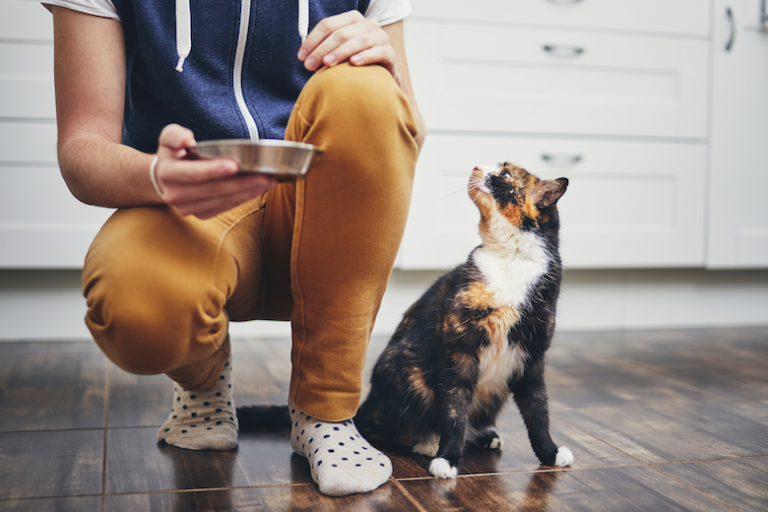
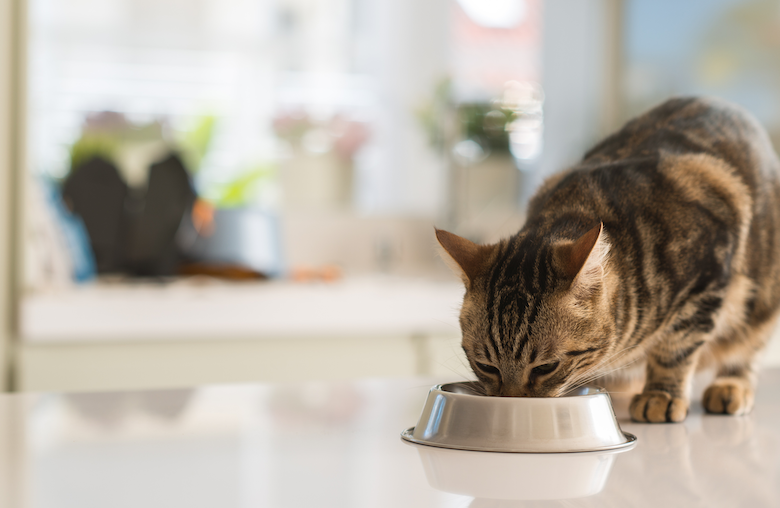
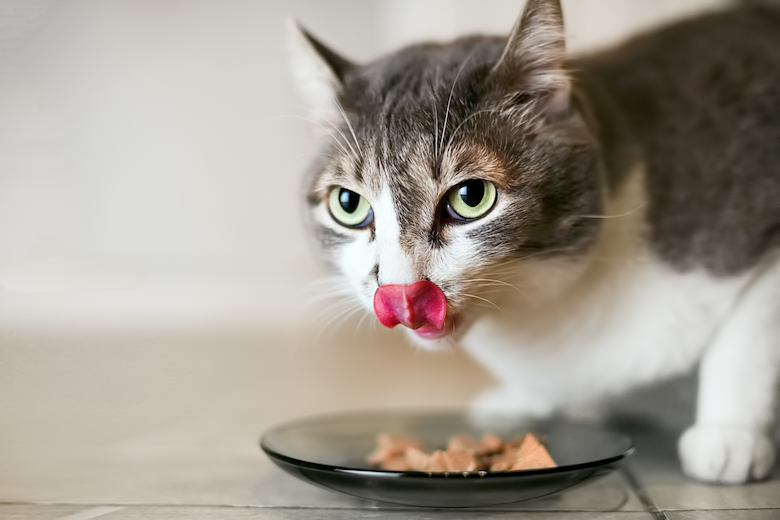
How to feed cats properly - what parents of cats can do :
There are ways to encourage indoor cats to become cats:

Activate the prey hunt, which all cats have, by playing with an interactive cat toy. Make sure the cat "catches" the feather, cloth or whatever is at the end of the fishing rod type toys. This can be a problem with laser light. Yes, it's a good exercise to chase the little red bug, but all those nerve endings that go from the paws directly to the brain realize: "I didn't catch anything, really". Since this can be a frustrating feeling - of never catching - I suggest periodically dropping a piece of kibble or a treat on this little spot. (If children are playing with laser light, also make sure they are supervised by an adult, so they never shine on the cat's eyes or their own eyes).
Want your cat to stop waking you up during the night? Stop giving her attention when she dances on your belly at 4 a.m., but also give her a snack before bedtime. Just as you can loosen your belt and take a nap after a snack, the same goes for cats (note: if the fact that the cat wakes you up during the night is a new behaviour, consult your veterinarian to rule out a medical cause).
If you only feed kibble, offer an occasional snack of wet food. The same applies if you're a fan of wet food - offer either kibble or treats from time to time. Cats get used to specific textures, and often later in life, they may need a special veterinary diet, which may be of a different texture type than what you've been feeding them all your life. Convincing some cats to change their behaviour is a challenge; they simply don't want to try the new product. However, it is possible that with a positive experience with a different texture, at least some cats may be more willing to try it.

How to Switch Your Cat’s Food From Dry to Wet or Vice Versa


Cats, at least in a stereotypical way, like to live their lives on their own terms. Unlike dogs who live to please, Kitty will probably tell you that you're doing a lousy job petting her or that your new shaggy rug is not nearly as beautiful as the one you had plush.

This is partly a common phenomenon on the Internet, but when it comes to food, cats tend to be much more picky about what they eat, which can make it difficult to change.

"Cats are more demanding when it comes to palatability, texture and flavor," says Dr. Angie Kraus of I and love and you.

But according to Dr. Kraus, wet food is better for cats than dry food.

"Cats are carnivores," she says. "When we give them kibble, we give them a lot of carbohydrates. To make a kibble, you have to make it crunchy, which requires a kind of carbohydrate like... rice.

A high carbohydrate diet can lead to obesity, dental and gastrointestinal problems and pancreatitis. Even though Kitty loves her kibble, Dr. Kraus thinks it's worth switching a cat from dry to wet food. She gives advice on how even the most special kitten can adapt to this change.


Go slow


Dr. Kraus advises not to try to take cover by handing out dry food one day and wet food the next. "Cats will certainly win in a game of hunger," she says. "If you don't feed a cat for 72 hours, it can have fairly serious problems like liver disease that is not reversible and can even be life-threatening. Instead, try giving her some wet food to see if the cat is interested. "If not, I will mix it with what he already likes so that he slowly gets used to it. Every two days, decrease the amount of dry food and increase the amount of wet food. Patience is a virtue. According to Dr. Kraus, some cats can switch from dry to wet food in a week. "For cats that are not so easy to live with, it may take a few months," she warns.

Get creative


If Kitty doesn't adopt her new diet, you may need to try a few things. Remember that cats have their idiocracies. "Some cats have very specific temperature preferences," says Dr. Kraus. "People who try to switch their cat from kibble to wet food may find that they like their food to be slightly warm or with a little water." Sometimes presentation can be critical. "They don't like the bowl. They don't want their whiskers to touch the bowl, or they want a plate, but they don't want that plate to be plastic," says Dr. Kraus, even the location of the bowl or plate and the time you put it out can affect whether Kitty takes the food or leaves it. Play with it.

Related: Making Mealtime Fun for Cats

Sometimes combo-feeding is a good compromise. "If there can be wet food, it's better, and many people have to resort to combo-feeding because their cats refuse to eat only wet food, and some cats will only eat dry food once they get used to dry food," explains Dr. Kraus.


How about switching from wet cat food to dry food?

Although Dr. Kraus says that wet food is the best, sometimes people want to do the opposite and switch to dry food.

"The most practical consideration is to be able to leave [the cat on the weekend] without a pet or for economic reasons," explains Dr. Kraus. "Dry food can be much cheaper than wet food.

This transition should also be slow. Start by taking out a small kibble to see if the cat will take it. If not, mix it with wet food. Doesn't it work? "There are a lot of toys and fun food dispensers that make it interesting," says Dr. Kraus. "They can roll a ball, and it can dispense food or it can look like grass, and they have to hit it to get it out of the grass."

How to Feed Your Cat If You’re Food Insecure


Unemployment skyrocketed during VIDOC-19, and people are struggling to put food on their tables. When parents of cats cannot afford to feed themselves, they are likely to have difficulty making ends meet for their pets as well.

If you are in pain, know that you are not alone. The ASPCA recently released new data showing that more than 4.2 million pets in the U.S. are at risk of entering poverty in the next six months as a result of COVID-19.

"With a national unemployment rate of 10 percent, the total number of pets living in poverty with their owners could reach more than 24.4 million dogs, cats, horses and other animals, a 21 percent increase in the number of animals living in poverty compared to pre-VIDOC estimates [as of February 2020]," said Jessica Sweeney, ASPCA's Community Engagement Program Manager. "The number of families struggling to care for their pets is staggering.

Jessica Sweeney offers tips on finding resources if you need help feeding your cat, and no one should be ashamed to ask for help.

Look for a food pantry


Local shelters operate food banks and food pantries. Pet owners can Google "pet food pantry near me" to find one. Local shelters and veterinarians can also point you in the right direction.

Feed Your Cat If You’re Food Insecure

Keep an eye out in aisles


Pet stores such as PetsMart and Petco often have samples available on the shelves. You can try to stock up on them to help you. They may also have coupons that you can use. If you can't find any, try calling your favorite kitten food vendor and explain your situation. They may send you coupons or free samples.
Don't be shy

Asking for help can be emotional. You may feel inadequate because you can't afford to buy cat food or because you are embarrassed to ask for help, but you shouldn't. Organizations are there to help you.

"The COVID-19 pandemic has created unprecedented challenges for pet owners by straining their essential resources and making it difficult for them to access the supplies and services they need to care for their pets," says Sweeney. "We believe that pets and people are meant for each other; that financial circumstances alone are not reliable indicators of the ability to love and care for a pet," he says.


Kampf um das Herz der Stadt

.Nach dem verheerenden Feuer in der Pariser Kathedrale Notre-Dame ist der Brand nach Angaben der Feuerwehr "vollkommen unter Kontrolle".
Die Grundsubstanz der Kirche sowie die Fassade mit den beiden Haupttürmen konnten den Angaben zufolge gerettet werden.

Offenbar ebenso wie wichtige Gemälde, Kunstgegenstände und Reliquien, darunter auch die traditionell verehrte Dornenkrone Jesu.
Von Nadia Pantel, Paris, und Xaver Bitz

Um 6 Uhr morgens meldet die Feuerwehr, dass der Brand "vollkommen unter Kontrolle" ist. Auf dem Pont de la Cité, gleich gegenüber von Notre-Dame sammeln sich um diese Uhrzeit schon die Kamerateams. Hunderte Objektive auf die Kathedrale gerichtet, als stünde sie gleich bereit für ein Interview. Auf dem rechten der beiden Türme steht eine Gruppe Feuerwehrleute, auf dem Vorplatz blinkt das Blaulicht der Einsatzwagen. Von dieser Seite, vom Hauptportal aus, sieht man Notre-Dame kaum an, wie das Feuer gestern den gesamten Dachstuhl vernichtete. Schaut man von der Seite, hat man Blick auf das rußschwarze Kirchenschiff. Die Löschfahrzeuge pumpen Wasser in die Höhe. Der Strahl trifft dort auf die Kirche, wo bis gestern mehr als 850 Jahre lang der Dachreiter in den Himmel ragte.

Elf Stunden lang kämpften Feuerwehrleute um den Sakralbau im Herzen der Stadt. Dabei war eine Zeit lang auch zu befürchten, dass die beiden 69 Meter hohen Türme einstürzen könnten. Frankreichs Kulturminister Franck Riester sagte dem Sender LCI am Dienstagmorgen, es habe die reale Gefahr bestanden, dass der Nordglockenturm bei dem Brand zerstört wird.

 "Und das hätte dann zur völligen Zerstörung von Notre Dame de Paris geführt." Mit bis zu eintausend Grad Celsius wütete das Feuer zeitweise auf dem Dach. Die Feuerwehr konzentrierte sich vor allem darauf, deren Struktur zu schützen und dadurch auch den Absturz der tonnenschweren Glocken zu verhindern. Die Statik des Gebäudes soll nun mit Hilfe von Lasern untersucht werden. Am Dienstagmorgen meldete die Feuerwehr die vollständige Löschung aller verbliebenden Brandherde.

Cat Diet Preparation

Cat Diet Preparation


Diets ought to be ready in line with the direction given, with no substitutions, additions, or omissions. every ingredient within the diet is vital and provides specific necessary nutrients. correct preparation of homemade diets needs time and energy. associate degree correct room scale that measures in grams and ounces is needed for diet preparation.

Ingredients ought to be fastidiously measured to produce the correct combination of nutrients.

Individual ingredients within the diet (such as meat and therefore the super molecule source) ought to be poached on an individual basis. Meat ought to be poached for a minimum of ten minutes at a hundred and eighty ° F. Chicken and hamburger, in specific, ought to be poached to stop microorganism contamination. the employment of raw ingredients isn’t counseled thanks to the increased risk for food borne ill health (see Chapter a pair of, Food Safety).

Carbohydrate sources like potatoes ought to be poached to enhance their edibleness. Vegetables ought to be washed then poached prior to use.

Once the food ingredients are poached, they must be measured and combined. Any salt within the direction is additional at now, but different vitamins and mineral supplements shouldn’t be additional nonetheless.

Once the food ingredients are combined, the ingredients ought to be mixed during a liquidizer to make sure their even distribution. this may forestall the pet from choosing out sure dietary ingredients and not overwhelming others. associate degree unbalanced diet is consumed if ingredients are separate and therefore the pet doesn’t eat the whole mixture. nourishment and mineral supplements ought to be crushed to a powder kind and added after the food sources are poached and combined.

Homemade diets don’t contain preservatives and are high in wet, therefore they’re extremely prone to the microorganism and fungous contamination if left at temperature for quite many hours.

the recipes during this book are designed to be ready in tiny batches to minimize the number of food ready however not needed for feeding. Any ready diet that’s not being consumed instantly ought to be

stored in associate degree airtight instrumentation within the icebox for no quite a few days. In preparation of a bigger batch of food is desired, then the recipe ought to be ready up to the purpose of nourishment and mineral supplement addition and hold on frozen. once able to feed, the portion of the diet is thawed, weighed, and therefore the acceptable quantity of vitamins and minerals is added before feeding. Before feeding any food that has been held on within the icebox or electric refrigerator, the color, odor, and consistency ought to be checked. If there are changes, or there

is visible mildew growth, the food ought to be discarded.

Vitamin and mineral supplements ar gift in tiny quantities, but they’re an awfully necessary a part of the diet. Supplements ought to be enclosed as expressed in every direction and not substituted or omitted.

For example, several diets embody each iodinated salt and a salt substitute (potassium chloride). iodinated salt is vital as a supply of iodine and metal, and salt substitute is enclosed as a supply of potassium. each is equally necessary for inclusion within the diet. Bone meal is enclosed in diets as a result of it’s a wonderful supply of atomic number 20

and phosphorus and carbonate (baking soda) are enclosed as an atomic number 20 supply. Some recipes concern one – 1/2 a nourishment or mineral pill. In general, these are the human product that isn’t meant to be cut in [*fr1], therefore every [*fr1] might not be precisely 1/2 the vitamins necessitated within the direction. However, over the course of many days, the correct amounts of vitamins and minerals are fed overall.

Prior to feeding, the diet ought to be warm to simply below body temperature (about one hundred ° F). particularly if food is being warm within the microwave, the food ought to be checked for decent spots, because the food could heat inconsistently. any low quantity of water is added at now, if necessary. once feeding, the food shouldn’t sit out at temperature for quite many hours. Any food not consumed ought to be removed and discarded. Bowls used for serving ought to be washed thoroughly when every use.

Cat Food And Water Dishes

Cat Food and Water Dishes


It’s a good idea to try to get the same kind of food and water dishes
your cat was using at her previous home, so she’s comfortable with
them—at least at first. That said, there are some wonderful choices that
you might enjoy seeing as much as kitty will enjoy using.
You will need anywhere from one to three dishes for food and one to
two for water (aside from folding travel bowls, which you may want if
you travel with your cat). Why so many food dishes? It’s simple: one for
dry food, one for wet food, and a third in case your cat have some regular
dry food diet and a “side order” of hairball formula or other special
food. Some cats don’t mind having the two types of dry food mixed
together, while others prefer to have them separated. Think of the little
kid who doesn’t want her peas next to her mashed potatoes.
Plastic dishes can cause skin problems, so you want to avoid those.
There are cute crockery dishes and aluminum ones as well. Do not buy
the food and water bowls that are made as one piece with two sections.
Cats don’t like their food near their water. Cats need separate dishes,
cleaned daily.
Cat dishes need to be wide and shallow. A cat’s whiskers are very
sensitive and cannot be crammed into a deep bowl. It’s more natural
and comfortable for a cat to eat and drink from flat, wide dishes. Keep
the word
dish
in mind, not
bowl
when shopping for kitty.
Water should be fresh, not stale and flat. If you can splurge, a water
fountain is a wonderful addition to the kitty’s life. The water is filtered and
aerated, and cats find it fascinating to watch. The water fountain usually
encourages cats to drink more water, which is far healthier for the cat
because it helps to prevent urinary tract and kidney problems.
There are long-term feeders that you fill with food in one compact-
meant and water in another, but I think the convenience is far out-
weighed by the lack of freshness. Food will be sitting in that container for a
good long while before being released into the dish, and so will the
water.
Dish placement is very important. Cats certainly don’t want their
water or food near their litter box. That’s just common sense; you
wouldn’t want to dine in the bathroom either. The cat is more likely to
stop using her litter box than to stop eating, so just separate the two. As
for the water dishes, you should put out at least two, each in a different
part of the house. Be sure to wash all the food and water dishes every day.

Rehomed Kitten Brings Joy To Sad, Lonely Grandfather

When photographer Akiko DuPont of Tokyo, Japan brought an unwanted ginger kitten home, she had no idea how much he’d change the life of her grandfather, Jiji.
Akiko tells iHeartCats that she saved the kitten from a friend who no longer wanted him. Since she didn’t ask her family for permission to take him home, she hid the kitty, named Kinako, in her room for a month!

“Hey There”


o her room – and everything changed…

Jiji The Grandpa

“His eyes shined full of happiness and that was how they met,” she tells iHeartCats.
After seeing the sudden and drastic change in her grandfather, the photographer decided to document the adorable pair.

Love


Up until that point, Akiko’s grandfather had been sad and lonely for years. “Since the War ended, for 64 years, Jiji commuted to his office, but in 2009 he was sent to the hospital,” she explained in a story by Bored Panda. “The doctor said he was sick. The once outgoing man gradually lost his interest in life and became grumpier than ever.”

One Love

Image Source: Akiko DuPont

With his hiding spot uncovered, the DuPont family embraced their new furry family member. But it was Kinako’s special bond with her grandfather that Akiko wanted to catch on film.

Unison


“There was no intention to share the photographs and the story to anyone when I first began documenting them,” she explained to iHeartCats. “However, seeing these two [together], wrapping the family with a veil of warmth, I thought that they may be able to provide heartwarming moments to someone out there as well, not just us family.”

Side By Side


And boy, was she right! The beautiful photos have taken the internet by storm. Perhaps it’s because they capture the therapeutic healing power that cats can have on us humans.

Better Together


While the attention has been a little overwhelming, Akiko says that she cannot thank the publications enough who’ve shared her story, and she’s thrilled that it’s been able to bring so much joy to people. “Every day I receive [emails] and I want to say ‘arigato’ to each and every one of the readers,” she said.

Stripe-y Afternoon


“Kinako lifts up Jiji by simply being Kinako, and Jiji being Jiji, pours love to Kinako, just like he always does with the others,” Akiko said.
“They are quite funny and adorable [to watch],” she added.

“I’ll Be Watching You”


“Who would have thought that a timid kitten would befriend a grumpy old man?!” she said in the Bored Panda story.

Kitty Fishing


Me Time


Pen Fence, Paw Fence


Kinako The Cat


Every Night, Working Together


Powered by Blogger.